From the nadir of the gardening year, here is the story of the 2008 garden at Federal Twist. This post is my continuing garden journal for 2009, and I'll be adding comments, criticisms and plans for the future. (All the photos in this post are also available in a slide show at the upper right, top of page. When I get time I'll add captions.)
My garden emulates a wet prairie and gets off to a very slow start in spring and early summer. This is a challenge I'm working on. Its peak is mid-July through October, as demonstrated by the large numbers of images taken in those months. (Warning, there are over 100 photos in this post.)
February
Rime frost in early February...


Completion of the stone wall at the base of the house...
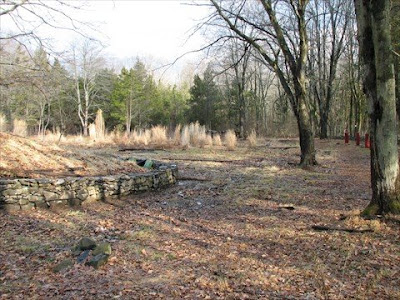


Beginning the pond...

Chasmantheum latifolium outside the house...


March


Progress on the pond ...

April
Early April (just to show how bleak April can be). This looks especially dismal because, as is appropriate with a prairie, I burned many of the grasses, leaving ashen smudges that remained until new green growth emerged ...

May
Finished pond, dogwoods blossoming (the red posts have been replaced by stone wall) ...


A hawk waiting above the pond ...

A 40-year-old crab apple still going strong even in the shade of a sycamore ...

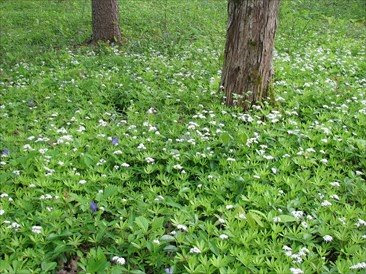
Sweet woodruff and myrtle, planted when the house was built in the mid-60's ...
Ligularia japonica, from Tony Avent's Plant Delights. Extraordinary foliage. I may have to get several more ...

A native Scirpus amid Equisetum arvense ...

Native Sensitive fern ...

Another native, Juncus ...

A green walk at the wood's edge ...

After two years, Silphium perfoliatum seedlings are maturing ...

Euphorbia palustris ...

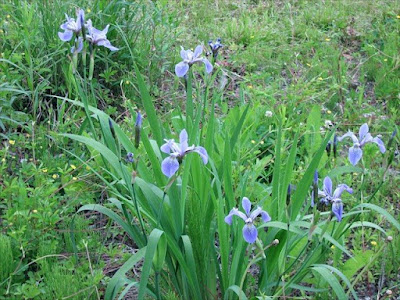
Iris versicolor, planted en masse, is a first attempt at early color...

And Iris pseudacorus ...

Siberian iris ...

Emerging leaves of Silphium terebinthinaceum ...



Looking across the garden. The ragged cedars were cleaned up later in the season ...


July
The high summer perennials are growing rapidly in early July. The tallest is Filipendula rubra 'Venusta' still without flowers ...

Lysimachia ciliata, Monanda 'Jacob Kline', and Rudbeckia maxima in front ...

The pond, cloudy with algae. It cleared about two weeks later ...

Rudbeckia maxima ...


The Filipendula in bloom. I actually like it better when the pink fades to copper tones ...

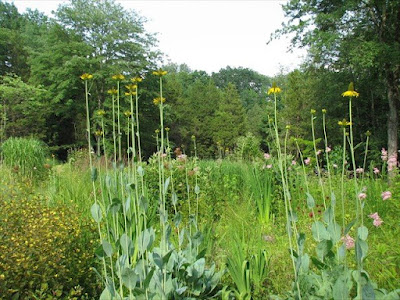


Near the end of July the Joe Pye Weed has come into bloom ...

Silphium laciniatum ...


Ernst, to give a sense of scale ...

A tall form of white Physostegia (Obedient plant) that I hope will also become a groundcover ...

Pycnanthemum muticum turns a velvety white; its fragrance attracts thousands of bees and wasps ...


Silphium terebinthinaceum. I planted plugs three years ago. They form huge, beautiful leaves, but this is the first to bloom ...


Late July view towards the house. Its simple, low profile blends well with the woodland and garden ...

Pycnantheum muticum, Petasites hybrid and Miscanthus 'Silberfeder' in a combination 'borrowed' from an Ohme and Van Sweden design ...


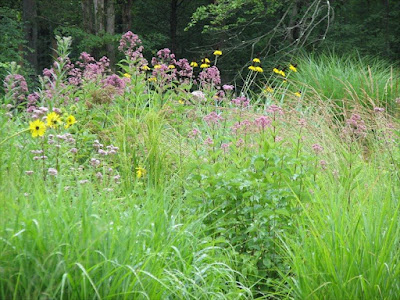
Increasing complexity - Rudbeckia maxima, Joe Pye Weed, Vernonia, Eupatorium cannibinum (a European form of our Joe Pye Weed), Silphium laciniatum, Miscanthus purpurescens ...


August
We introduced one summer weed cutting with a string trimmer this year, in early August. It takes a steady hand to avoid the closely spaced perennials. It's the best way to cut down the invasive Japanese Stilt Grass before it makes seed, yet it's late enough to avoid harm to desirable seedlings. Some hand pulling is also required.
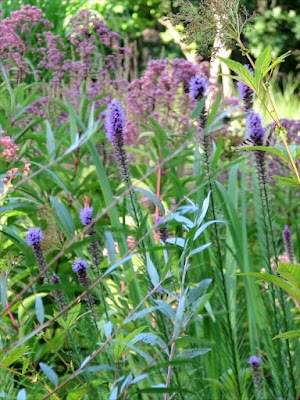
Below Liatris pycnostachya adds its wands of purple (the photo color isn't true) in early August ...

Note the coppery color of the aging Filipendula inflorescences. Much better than cotton candy pink ...


Sanguisorbas begin flowering ...


Lobelia cardinalis ...

Physostegia virginiana and Patrinia scabiosifolia with the big leaves of Silphium terebinthinaceum ...


Innula racemosa 'Sonnerspeer' just planted this year, already in bloom ...

Sanguisorba canadensis ...
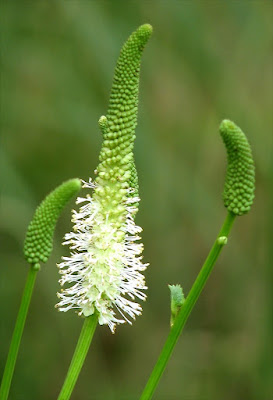


Lobelia siphilitica (Great Blue Lobelia) ...

Joe Pye Weed, Eupatorium perfoliatum (boneset), Vernonia from seed ...


September
The bank looking up to the house - Viburnum plicatum tomentosum 'Mariesii', Miscanthus gracillimus, Pycnanthemum muticum ...


One of many native asarums ...

A colony of Lobelia cardinalis ...


October


December


Looking across the garden. Compare the cedars (Juniperus virginiana) here to the messy ones in the spring photo taken from the same point of view. Removing the messy lower limbs has opened the space, making room for a new part of the garden ...

The new stone wall, finished just this fall ...


Partially completed steps from the house into the garden ...

Ilex verticillata (winterberry holly) ...


